There are several botanical and cypermethrin based insecticides approved for use on carpenter bees. Check insecticide labels to be sure they are appropriate for carpenter beetles and follow label instructions for use.
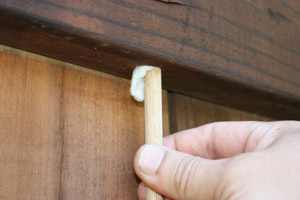 Repair Carpenter Bee Damage Extreme How To
The hole can then be filled with a wooden dowel then covered with wood putty and ideally painted.

What to use to fill carpenter bee holes. Cork dowels latex wood filler and caulk. The location of all carpenter bees nest around your home. My first attempt at repairing bee damage involved filling the holes with wood putty and or caulk.
The best way to repair wood damage caused by carpenter bee and to prevent them from nesting in your wood is by plugging and filling carpenter bee holes. Gather the right tools. And if you find some new holes later this year or next spring leave them open and treat them right so you can be done with the problem once and for all.
Plugging and filling carpenter bee holes. The eaves and dormers on your roof. There are a variety of ways to successfully fill a hole our favorite is the wooden dowel and caulk method.
Carpenter bees make holes in wood for their nests. This solution will prevent young carpenter bees from emerging from the nest in the spring. Once the bee has entered the hole it can be exterminated with the use of a quick acting bug spray.
And of course if new ones come around trying to drill apply the cypermethrin to repel them from new areas. Repairing carpenter bee damage is pretty simple. These can all be used to fill the holes.
In the video example below the gentleman also adds steel wool tin foil to the hole to deter the bees from chewing back in. You can then use caulking to cover the holes and paint over them. In the future using treated wood will deter carpenter bees though it s not a foolproof deterrent.
To do this you plug the hole and make it flush with the existing exterior. But first you need to check for. Whereas this can eventually work it can also take a lot of time and reapplication.
Stuff something like steel wool aluminum foil corks or even wooden dowels. So for now try to reopen the holes and get them dusted with drione. Try filling the holes while the carpenter bees are gone in the spring and fall.
Because the bees displace so much wood it takes a lot of product to fill the holes. Once the carpenter bees are completely eliminated fill the holes left behind with wood putty. Treat the nest entrance hole with insecticide.
Check every spot in. That will prevent water from causing rot in the hole.